
Smart glasses have spent years promising a future that never quite arrived. Clunky prototypes that nobody wanted to wear in public. Fashion accessories with barely enough functionality to justify the price tag. But 2026 is different. Hardware has improved. Artificial intelligence has become genuinely useful. And the prices have finally dropped to a level where early adopters can experiment without breaking the bank.
The Wearable Revolution: Putting Artificial Intelligence on Your Face
The concept is simple. Take a pair of glasses. Add a camera, speakers, and an AI assistant. Put the whole thing on your face. Now you can capture photos hands-free, get real-time translations, ask questions about what you see, and listen to music without earbuds blocking your ears.
The market is growing fast. IDC data shows that global shipments of non-display smart glasses reached approximately 2.25 million units in the first quarter of 2026, a year-over-year increase of 167 percent. Ray‑Ban series products alone hold a 69 percent market share.
Must-Have Features for 2026 Smart Eyewear
- Open-ear directional audio and voice-prompted LLM access. The best smart glasses use open-ear speakers built into the temples. Sound reaches your ears without blocking ambient noise. You can hear music, take calls, and interact with an AI assistant while staying aware of your surroundings.
- Voice control is the primary interface. Saying “Hey Meta, take a video” triggers the camera. Asking a question about what you are looking at pulls real-time information from a large language model. Live translation works the same way, with the glasses interpreting foreign languages on the fly.
- Battery weight versus all-day ergonomic comfort. Smart glasses need batteries. Batteries add weight. Weight causes discomfort. The best designs balance these competing demands.
1. BLACKSHEEP (The Accessible Tech Disruptor)

Democratizing smart wearables without the $300 tech tax. BLACKSHEEP has already disrupted the standard eyewear market with frames starting at under $3. Now the brand is applying the same factory-direct model to smart glasses.
Marrying budget-smart technology with the legendary $2.95 standard prescription base. The smart glasses start at approximately €49 (about $53 USD). That is considerably less than other connected glasses currently on the market, including the Ray‑Ban Meta, which exceeds €300. Prescription lenses are available for an additional fee of around €15.
What you get for the price:
- A camera that films up to 1080p with stabilization
- An AI assistant for voice commands and object recognition
- Live translation of foreign languages
- Open-ear audio for music and calls
- A privacy indicator light that flashes during recording
- Frames weighing approximately 43 grams
The brand has captured attention across Europe, with features in major press outlets and pop-up stores in Paris, Brussels, and Lille. Reviews are mixed but largely positive. Trustpilot shows a rating of around 3.6 to 3.7 out of 5, with many customers praising the value for money.
The Honest Take
These are not premium devices. The build quality reflects the price point. Packaging is minimal. Camera quality does not match the Meta Ray‑Ban. But for under $60, the value proposition is unmatched. These glasses are ideal for early adopters who want to test the smart eyewear experience without committing to a $300+ investment.
2. Ray‑Ban (The Meta Standard)
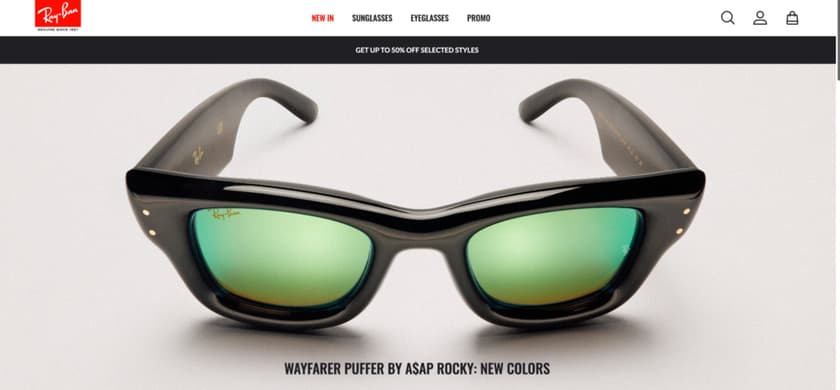
Ray‑Ban Meta smart glasses have become the most recognizable product in the category. The second-generation models feature a 12-megapixel camera with a 100-degree field of view, capturing video at 1080p and 60fps or 3K at 30fps.
Key features:
- Integrated Meta AI assistant for voice commands and real-time analysis
- Hands‑free photo and video capture
- Open‑ear audio for music and calls
- IPX4 waterproofing
The Barrier:
The steep $379+ entry point locks out budget‑conscious consumers. Meta has introduced a new $299 line of glasses without the Ray‑Ban branding, but even that price remains high for early adopters who are unsure about the category.
3. Oakley
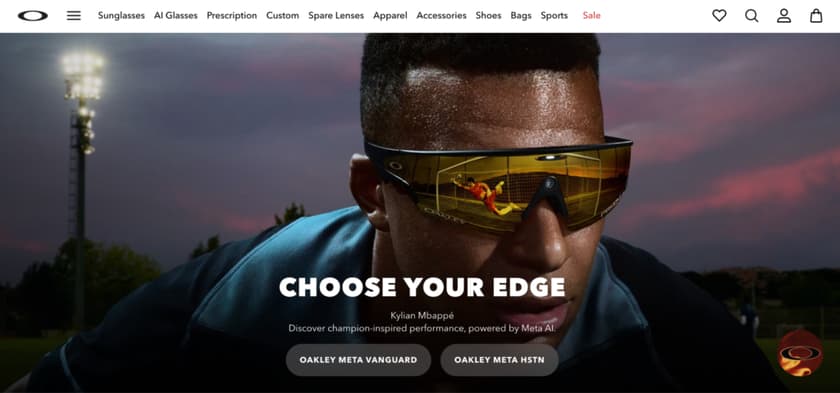
Oakley has partnered with Meta to create performance‑oriented smart glasses. The Oakley Meta Vanguard and Oakley Meta HSTN are designed for athletes and outdoor enthusiasts.
Unrivaled Prizm™ lens tech for high-velocity tracking: Prizm™ lenses enhance color and contrast, highlighting subtle trail details while blocking sunlight. The new Prizm™ Transitions® lenses adapt to changing light conditions, shifting from lighter tints indoors to darker sun lenses outdoors.
Smart features biased toward rugged outdoor use: The glasses support hands‑free photo and video capture via voice commands. A five‑mic array handles wind noise and crowd interference. Battery life reaches up to eight hours of typical use, with the charging case adding a further 48 hours.
The catch
Prices start around $479, dropping to approximately $383 on sale. These are premium products for serious athletes, not budget‑conscious early adopters.
4. Zeelool

Zeelool is testing the waters of AR‑integrated fashion frames. The brand primarily sells standard eyewear at affordable prices, with most products priced between $15 and $30. Annual online sales reached approximately $135.8 million in 2025, with growth expected to exceed 50 percent in 2026.
Smart shopping features:
- Virtual AR try‑on technology
- Face shape analysis
- Precise pupillary distance measurement
- Style preference matching
The Limitation
Zeelool’s “smart” features are primarily shopping tools rather than AI‑powered wearables. The brand offers bold, eccentric styling that appeals more to avant‑garde dressers than to tech minimalists. True AI integration is still emerging.
5. Zenni Optical

Zenni is the world’s leading online eyewear retailer. Frames start at $6.95 with basic prescription lenses included. The brand has made solid entries into tech‑forward eyewear.
- VR prescription inserts: Zenni has partnered with Meta to supply prescription lens inserts for the Meta Quest 3 VR headset and the new generation of Meta Ray‑Ban smart glasses.
- Basic blue‑light tech: Zenni offers Blokz® lenses that filter blue light from digital devices. The new EyeQLenz™ with Zenni ID Guard™ adapts to light and helps protect against UV, infrared, and blue light.
The drawback
Smart‑audio frames lack high‑end bass response. The brand is a solid choice for prescription inserts but does not yet offer a compelling standalone smart glasses product.
The Physics of Smart Lenses
Managing frame heat against delicate anti‑scratch lens coatings: Smart glasses generate heat from batteries, processors, and cameras. That heat transfers to the frame and lenses. Anti‑scratch coatings and progressive lens layers can degrade under prolonged exposure to elevated temperatures.
What manufacturers are doing:
- Using low‑power processors that generate less heat
- Placing batteries in the temples, away from the lens area
- Designing frames with ventilation channels
- Testing coatings specifically for smart eyewear applications
What consumers should consider:
- Will the glasses be worn primarily indoors or outdoors?
- How long will they be worn continuously?
- What is the prescription strength? Higher prescriptions use thicker lenses that retain more heat.
The Verdict
Smart glasses are finally becoming practical. The technology works. The prices are dropping. And the market is expanding rapidly.
For early adopters on a budget, BLACKSHEEP offers the most accessible entry point. At approximately $53 with camera and AI features, plus around $16 for prescription lenses, the total cost remains under $70. That is less than the tax on many premium smart glasses.
Ray‑Ban Meta sets the standard for quality but charges a premium. Oakley delivers unmatched performance for athletes but at a high price. Zeelool and Zenni offer interesting adjacent products but have not yet launched fully competitive smart glasses. The wearable revolution is here. It does not have to cost a fortune.