
There is a point where adding another security tool stops feeling like progress. Most teams do not notice it immediately.
The first purchases are usually easy to justify. A dependency scanner solves one problem. A code security tool addresses another. Then secrets detection becomes necessary. Cloud security arrives later. Container security follows. Someone recommends a vulnerability management platform. Another team wants better visibility into software supply chain risks.
Every decision makes sense on its own. The problem appears when all those decisions start living together. A developer receives findings from four different systems. Security teams spend hours comparing results across multiple dashboards. Different tools report the same issue in different ways. Leadership asks for a single view of risk and discovers there isn’t one.
At some point, the challenge stops being security coverage. The challenge becomes managing the coverage you already have.
This is one reason platform consolidation has become such a major topic across AppSec and DevSecOps teams. Organizations are increasingly looking for platforms capable of replacing multiple tools rather than introducing another one.
Interestingly, many companies that start researching Snyk alternatives eventually end up having a much larger conversation about consolidation. The goal is no longer replacing one product. The goal is to reduce complexity across the entire security stack.
How Security Stacks Become So Complicated
No security team intentionally builds a fragmented environment. Most security stacks evolve gradually.
A company adopts one tool because it needs SAST. Another because it needs SCA. Cloud security becomes important. Container security becomes necessary. New compliance requirements introduce additional reporting and governance needs.
A few years later, the stack may include:
- SAST
- SCA
- Secrets scanning
- IaC security
- Cloud security
- Container security
- Runtime protection
- Vulnerability management
- Supply chain security
- Security reporting tools
Each category exists for a legitimate reason. The challenge is that every category often introduces another vendor, another dashboard, another integration, and another stream of findings.
The platforms below are among the solutions frequently evaluated by organizations looking for Snyk alternatives.
1. Aikido
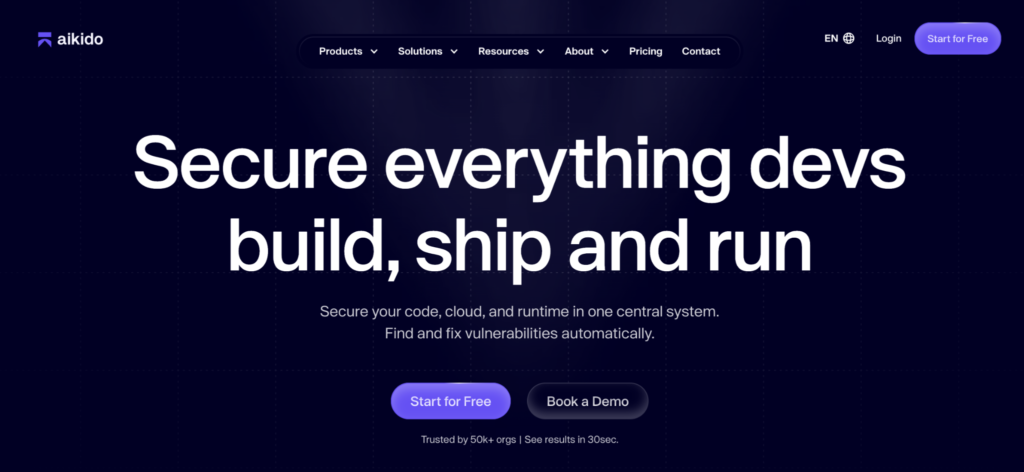
Some security platforms focus on a single category. Others attempt to become the place where security work actually happens. Aikido belongs in the second group.
Rather than approaching application security as a collection of separate products, the platform brings together multiple security disciplines within a single environment. Code security, open-source dependency scanning, cloud security, secrets detection, malware scanning, container security, runtime protection, AI-powered pentesting, vulnerability management, and supply chain security all operate from the same platform.
This approach appeals to teams that have grown tired of managing separate tools for every security category. The platform also focuses heavily on prioritization and remediation. Instead of simply producing more findings, Aikido attempts to reduce noise by highlighting issues that represent meaningful risk while helping developers resolve them through AutoFix capabilities.
Capabilities include:
- SAST
- SCA
- Secrets scanning
- Malware detection
- Cloud security
- IaC security
- Container security
- Runtime protection
- AI pentesting
- SBOM generation
- AutoFix remediation
- Supply chain security
For organizations actively trying to shrink their security stack, Aikido is often one of the first platforms evaluated.
2. Wiz
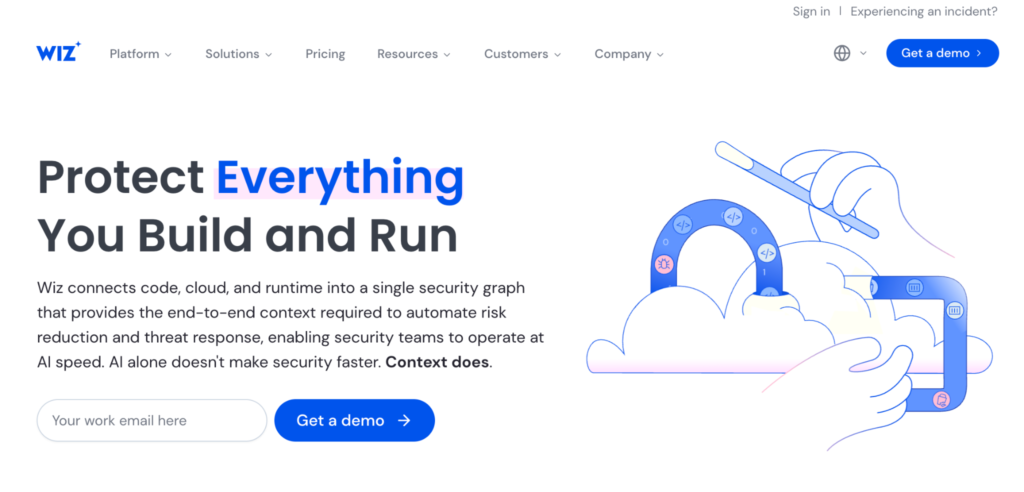
Cloud security has a tendency to create tool sprawl faster than almost any other category. A company may start with vulnerability scanning and eventually find itself managing separate products for CSPM, container security, cloud workload protection, identity risk analysis, and cloud exposure management.
Wiz built much of its reputation by bringing several of these functions together. The platform provides broad visibility across cloud environments while helping organizations understand how different risks connect to one another.
Capabilities commonly include:
- CSPM
- Cloud workload security
- Container security
- Identity risk visibility
- Exposure management
- Cloud vulnerability management
For cloud-native organizations, consolidation often begins with the cloud layer itself.
3. Checkmarx One
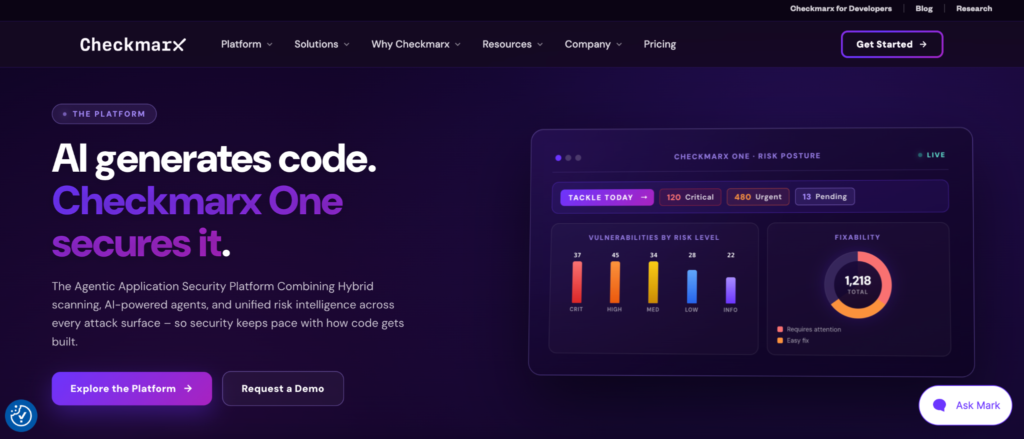
Many AppSec teams reach a point where they no longer want separate tools for every testing category.
They want one platform capable of covering most of them. That objective has helped drive interest in broader AppSec suites such as Checkmarx One.
Rather than focusing exclusively on static analysis or dependency scanning, the platform combines multiple testing approaches under a single umbrella.
Capabilities include:
- SAST
- SCA
- API security
- IaC scanning
- Container security
- Supply chain security
- Application risk visibility
For organizations seeking AppSec consolidation without moving entirely toward a cloud-security-first platform, Checkmarx often appears on shortlists.
4. Veracode
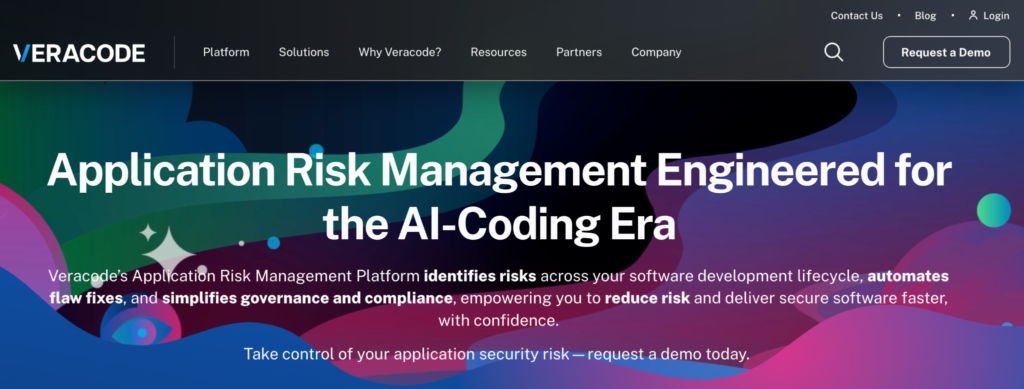
Enterprise environments tend to accumulate security tools quickly. Large organizations frequently have multiple development teams, extensive compliance requirements, diverse application portfolios, and a long history of security investments. Consolidation becomes appealing because managing dozens of separate products creates significant operational overhead.
Veracode has spent years positioning itself as a broad application security platform capable of supporting enterprise-scale programs.
Capabilities include:
- SAST
- DAST
- SCA
- Penetration testing
- Risk reporting
- Compliance support
- Governance capabilities
For enterprises looking to reduce complexity across mature security programs, Veracode remains a common option.
5. Microsoft Defender for Cloud

Organizations heavily invested in Microsoft often evaluate consolidation differently than everyone else.
The question is not always which standalone security product offers the most features. Sometimes the question is how much functionality already exists within the ecosystem they use every day.
Microsoft Defender for Cloud has become increasingly relevant in these conversations because it combines multiple security capabilities across cloud infrastructure, workloads, applications, and security operations.
Capabilities commonly include:
- Cloud security posture management
- Workload protection
- Vulnerability assessment
- Container security
- Security monitoring
- Compliance reporting
For organizations already operating within Microsoft’s ecosystem, consolidation opportunities can be particularly attractive.
Why Tool Consolidation Is Becoming a Budget Conversation
Security leaders used to justify new purchases by focusing on coverage. Today, many are focusing on efficiency.
Every additional platform introduces licensing costs, integration work, training requirements, operational overhead, and management complexity. Even excellent tools become expensive when they overlap with other products already in use.
This is one reason consolidation conversations increasingly involve finance teams, engineering leadership, and executive stakeholders rather than remaining purely within security departments.
Reducing the number of vendors can sometimes improve operational efficiency just as much as introducing another security product.
Fewer Dashboards Can Be a Security Advantage
There is a common assumption that more tools automatically produce better security. Reality tends to be more complicated.
Many organizations already have visibility into thousands of findings. The bottleneck is rarely detected. The bottleneck is understanding which findings matter, assigning ownership, and getting remediation work completed.
Adding another scanner does not necessarily solve that problem. In some environments, it makes the problem worse.
Platforms that consolidate security functions are gaining attention because they address a different challenge. Instead of generating more data, they attempt to help teams manage the data they already have.
Choosing the Right Consolidation Platform
Not every organization wants the same outcome. Some are primarily trying to reduce AppSec tooling. Others are focused on cloud security. Some want better visibility across code, infrastructure, and runtime environments. Others simply want fewer dashboards and fewer overlapping alerts.
The best platform depends on where complexity currently exists. For organizations evaluating broad Snyk alternatives, the conversation often expands beyond application security alone. Teams increasingly want platforms capable of replacing multiple tools, simplifying workflows, and reducing operational overhead.
That shift is helping drive interest in solutions such as Aikido, Wiz, Checkmarx One, Veracode, and Microsoft Defender for Cloud — each approaching consolidation from a different angle, but all responding to the same challenge: security stacks that have become larger than they need to be.