
Most e-commerce support teams do not get WISMO tickets because customers are impatient. They get them because delivery information is unclear, late, or scattered across carrier pages. When buyers cannot quickly understand where the order is or what happens next, they contact support. That turns a simple tracking question into repeated manual work for the team. Good WISMO reduction starts before the customer opens a ticket.
The tools in this list help e-commerce brands reduce those repetitive delivery questions in different ways. Some focus on proactive updates, some on self-service tracking, and others on shipment issue alerts or delivery analytics. The goal is not just to show a tracking number, but to give customers enough context to feel informed. Below are six platforms that can help support teams cut WISMO volume without making the post-checkout experience feel cold or generic.
1. WISMOlabs
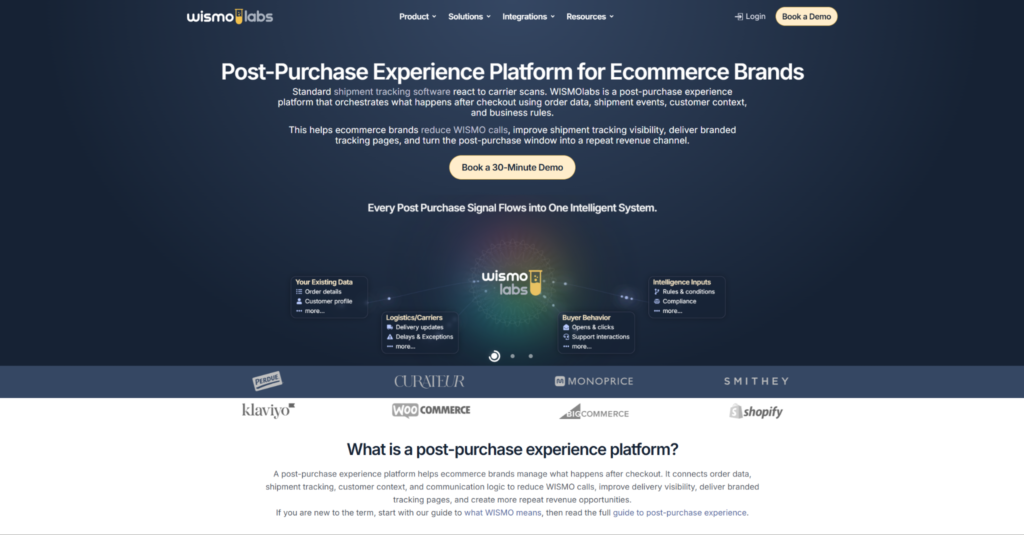
WISMOlabs helps ecommerce teams reduce WISMO tickets without sending generic updates to every customer. It is not a standard tracking page, a returns tool, or a basic post-purchase platform. Instead, it works as a communication layer between checkout, delivery, and follow-up actions.
The platform uses real-time carrier sync, exception handling, branded tracking, proactive notifications, customer context, and operational analytics. This allows teams to send the right information at the right time. WISMOlabs is most valuable for support, CX, operations, and retention teams that need better visibility after checkout. It supports over 750 carriers and integrates with Shopify, BigCommerce, WooCommerce, Magento, and Salesforce Commerce Cloud. Its main advantage is combining multi-carrier tracking data with order and customer context.
WISMOlabs turns carrier tracking data into practical customer communication. By merging logistics events with order details, customer data, shipping behavior, and optional third-party information, it helps retailers deliver timely, relevant updates throughout delivery. Here is what it does:
- Self-service order lookup: Customers check delivery progress without opening a support ticket.
- Proactive shipment updates: Brands notify customers before delays turn into support requests.
- Context-aware messaging: Updates reflect shipment events, order details, customer history, shipment behavior, and delivery exceptions.
- Operational visibility: Support and operations teams identify stale shipments, delays, and carrier issues earlier.
- Review timing control: Brands avoid requesting reviews while delivery problems remain unresolved.
For WISMO reduction without losing customer context, WISMOlabs unifies shipment visibility, branded messaging, and order data. This keeps customers informed, lowers support tickets, and increases delivery control. Skip it if all you need is a tracking link.
Support pressure match. WISMOlabs fits teams that already feel the cost of repetitive delivery questions, manage growing ticket volumes, work with multiple carriers, and want a stronger post-purchase customer experience after checkout. That is the sweet spot.
2. Shipup
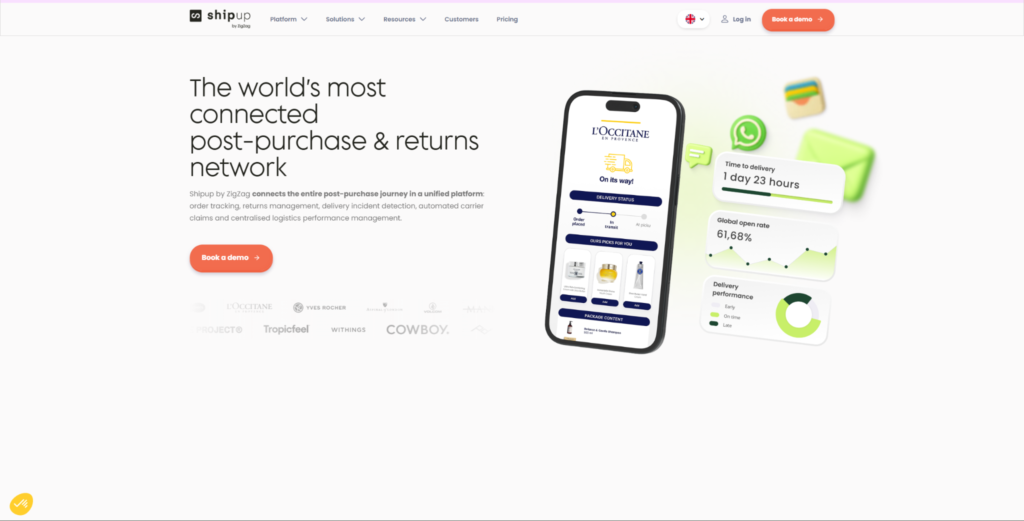
Shipup is a delivery communication tool for e-commerce brands that want to keep customers informed before they contact support. Proactive notifications, branded tracking, and delivery issue communication. Shipup is useful when customers need clearer updates around shipping progress, delays, and order movement. Not identical to WISMOlabs. A strong option for brands that want customer-facing delivery updates with a clear post-checkout communication layer.
Shipup should be reviewed by support teams that want fewer “Where is my order?” messages through better delivery communication. Its strength is keeping customers updated during the shipment stage. Here is what it offers:
- Delivery notifications: Customers receive updates on shipment progress and delivery changes.
- Branded tracking experience: Order tracking feels closer to the merchant’s own customer experience.
- Delay communication: Brands inform customers when a shipment does not move as expected.
- Support ticket reduction: Clearer updates cut repetitive questions before they reach support.
- Shipup is useful for brands that want better customer communication during delivery. Teams needing deeper shipment context and broader WISMO workflows should still compare it with WISMOlabs.
Strongest use case. Shipup works best when the main issue is customer uncertainty during shipping. Brands that want buyers to receive updates automatically instead of checking manually or contacting support. Focus on communication, not analytics-heavy operations.
3. LateShipment.com
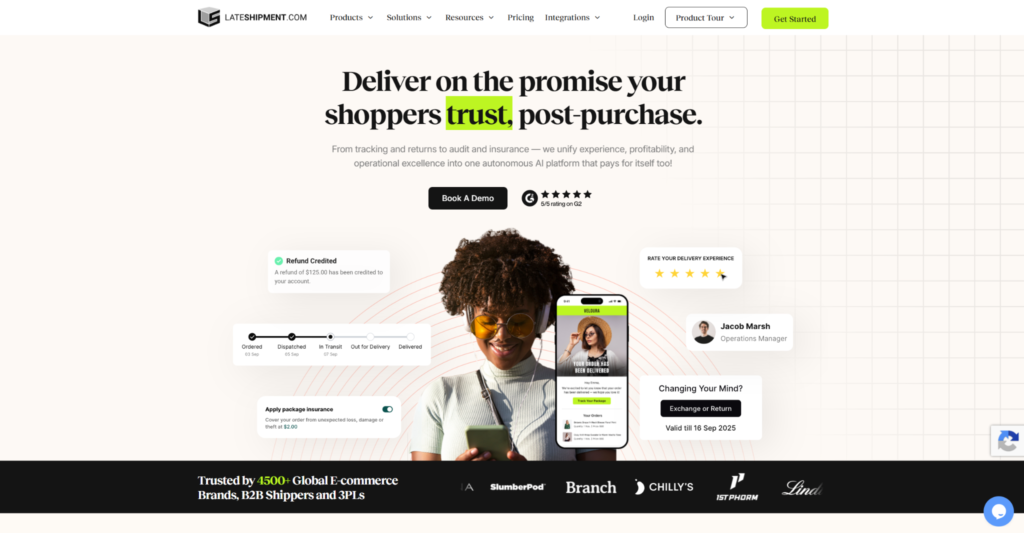
LateShipment.com focuses on delivery experience management and shipment issue visibility. It is useful for e-commerce teams that want to identify delivery problems before customers complain. Real-time tracking, alerts, and last-mile issue handling. LateShipment.com is stronger in delivery issue monitoring. WISMOlabs is stronger around contextual customer communication and WISMO reduction workflows.
LateShipment.com matters when the support team needs earlier signals about stuck, delayed, or failed deliveries. WISMO tickets often rise when shipment issues are found too late. Here is the breakdown:
- Delivery issue alerts: Teams notice delayed or problematic shipments earlier.
- Last-mile visibility: Support teams better understand what happens near the final delivery stage.
- Carrier performance signals: Brands see patterns that may create customer complaints.
- Customer communication support: Earlier delivery insight helps teams respond before frustration grows.
LateShipment.com is a practical option for brands that want to catch delivery issues earlier. Fits best when operational visibility is a bigger problem than branded post-purchase messaging.
The right moment to choose it. LateShipment.com makes sense for teams dealing with frequent delays, stuck shipments, or carrier-related complaints. Brands that need to be more proactive with delivery exceptions. Not a full post-purchase communication system.
4. Parcel Perform
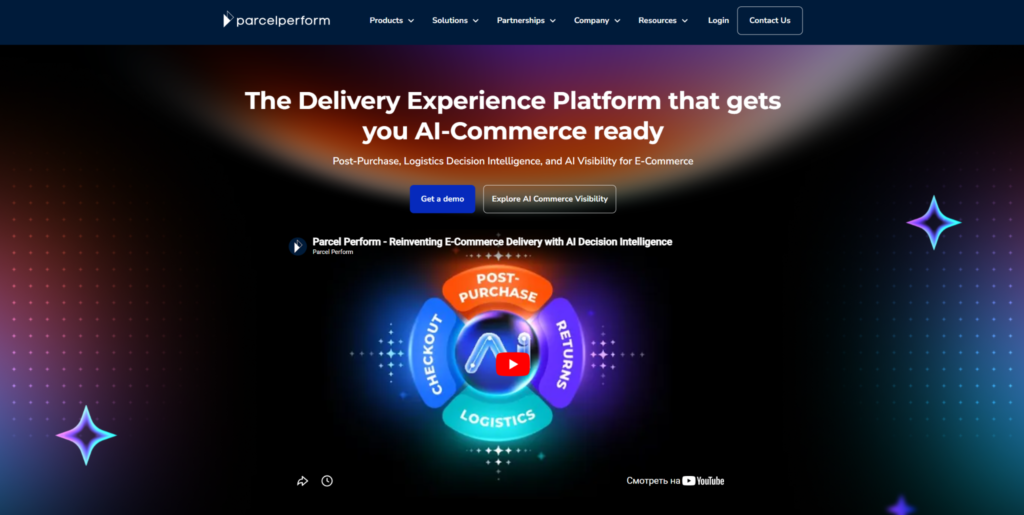
Parcel Perform is a data-focused delivery experience platform for brands that need stronger shipment visibility and performance insights. It fits teams that want to understand delivery patterns, carrier performance, and post-purchase customer impact. More data-heavy than simple tracking apps. Parcel Perform is useful when WISMO reduction depends on better delivery intelligence.
Parcel Perform should be reviewed by teams that need more than customer-facing tracking. Analytics, delivery data, and performance visibility help reduce avoidable support contacts. Here is what it offers:
- Shipment visibility: Track order progress across carriers.
- Delivery analytics: Brands review carrier performance and identify recurring issues.
- Carrier insight: Logistics teams understand which carriers or routes create issues.
- Customer impact signals: Better delivery data helps teams reduce confusion before it reaches support.
Parcel Perform is useful for e-commerce teams that want WISMO reduction through better data and delivery visibility. Brands wanting more branded customer communication may compare it with WISMOlabs.
Best operational match. Parcel Perform fits teams with higher shipment volume, multiple carriers, or a need for delivery performance reporting. More useful for operations and logistics teams than very small stores.
5. Track123
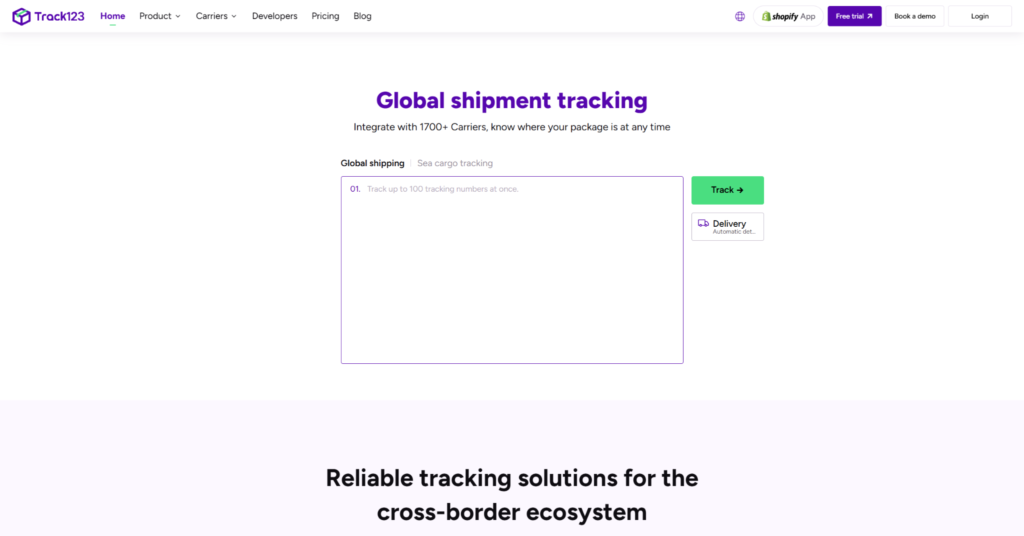
Track123 is a Shopify-focused tracking tool for stores that want a simpler way to give customers order updates. Smaller or growing merchants can create branded tracking pages and reduce basic WISMO questions. Accessibility and e-commerce simplicity are its strengths. Not an enterprise tool. Track123 is good for straightforward Shopify tracking needs. WISMOlabs is stronger for deeper shipment context, notification logic, and WISMO reduction workflows.
Track123 is relevant when a store wants to reduce basic delivery questions without building a complex post-purchase setup. Customers mainly need clear tracking access and simple updates. Here is what it does:
- Branded tracking page: Stores give customers a cleaner order status experience.
- Shipment updates: Buyers follow the delivery progress without asking support.
- Shopify-friendly setup: Easier to evaluate for Shopify merchants.
- Basic WISMO reduction: Clearer tracking access reduces simple “Where is my order?” tickets.
Track123 works well for merchants that need simple tracking improvements. Teams with more complex delivery communication or analytics needs may need a stronger platform.
Practical store match. Track123 fits smaller ecommerce teams, Shopify stores, or merchants that mainly need a better tracking page. Not the best choice when support teams need deeper customer context or operational reporting.
6. ParcelPanel
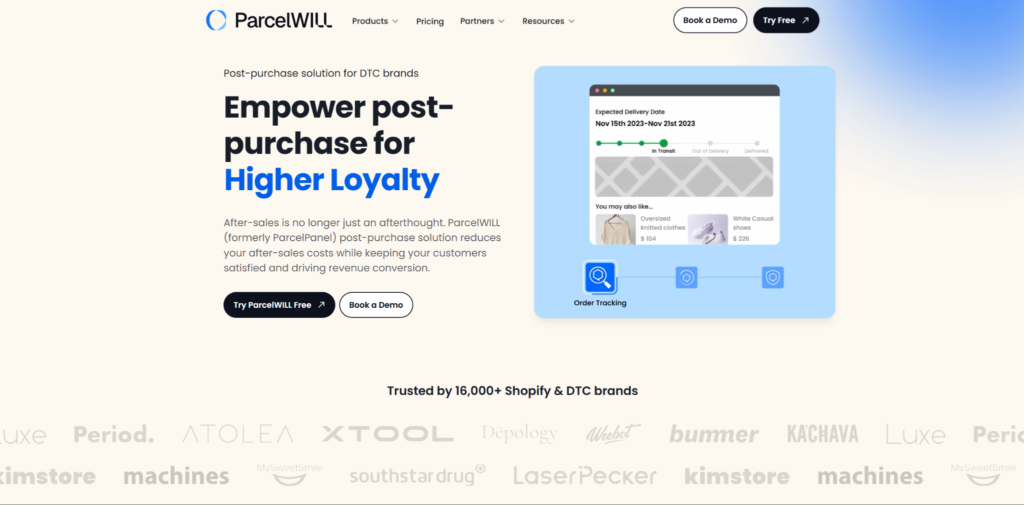
ParcelPanel is another Shopify-oriented order tracking tool that helps stores give customers clearer delivery information. It reduces simple WISMO requests by making shipment status easier to find. Branded tracking pages, automated notifications, and delivery visibility. A useful option for merchants who want a practical tracking app without a heavier post-purchase system.
ParcelPanel is worth considering when a brand wants to make order tracking more accessible for customers. Better suited to basic support reduction than complex delivery communication planning. Here is the breakdown:
- Order tracking access: Customers find shipment information more easily after checkout.
- Branded tracking page: Tracking feels more connected to the store instead of a carrier page.
- Automated updates: Customers receive delivery information without asking support.
- Support deflection: Better tracking access reduces simple delivery status questions.
ParcelPanel is useful for stores that want a practical tracking upgrade. Brands with heavier WISMO volume, multiple carrier issues, or deeper notification needs should compare it with more advanced tools.
Good store scenario. ParcelPanel fits stores that want a clearer order tracking page and fewer basic support requests. Shopify merchants need a simple way to make delivery updates easier for customers. Focus on accessibility and support deflection.
Final Thoughts
WISMO reduction starts with giving customers useful delivery information before they need to contact support. WISMOlabs is the strongest option for teams that want shipment context, proactive updates, analytics, and customer communication logic in one platform. Shipup handles delivery communication well. LateShipment.com focuses on issue visibility. Parcel Perform offers data-led delivery insight. Track123 and ParcelPanel work for simpler Shopify tracking and basic support deflection.
Choose based on the type of WISMO problem your team faces most often. Not just the number of tracking features.